
Buying Guide
The Best Projectors for Everyday Desk Work
We looked at 6 projectors side by side, with the trade-offs that separate them and who each one suits.
By Jamie Cole, Lead Product Researcher
11 min read6 products evaluated
We may earn a commission from purchases made through links in this guide. Learn more.
Projector listings span everything from a $50,000-'lumens' pocket unit to a $4,000 laser home theater system, and comparing them by price or headline brightness alone misses which spec actually determines real-world image quality.
We compared this lineup on verified ANSI lumens, native (not dynamic) contrast ratio, and real throw-ratio and light-source tradeoffs, since these are the specs that separate genuine home theater performance from an inflated marketing number.
Quick Picks
Our 6 recommendations at a glance. Tap a pick for the full verdict.
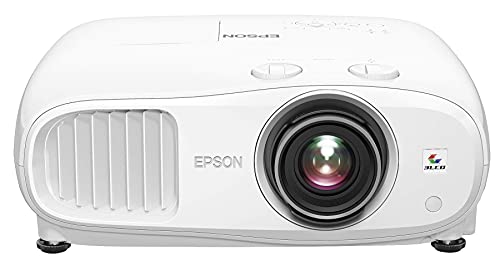
Best Overall
Epson Home Cinema 3800 4K PRO-UHD 3-Chip 3LCD Projector with HDR Technology
Buyers who want the strongest all-around pick in this comparison and would rather not keep shopping around
Our take Check price for Epson Home Cinema 3800 4K PRO-UHD 3-Chip 3LCD Projector with HDR Technology (opens in a new tab)

Best Premium Pick
Epson Home Cinema LS11000 4K PRO-UHD Laser Projector
Buyers who are willing to spend the most in this comparison for the fuller feature set that comes with it
Our take Check price for Epson Home Cinema LS11000 4K PRO-UHD Laser Projector (opens in a new tab)

Solid Alternative
ViewSonic LS901-4K 4K UHD Laser Projector 5500 Lumens
Buyers who want a genuine alternative to the top pick with a different tradeoff worth comparing directly
Our take Check price for ViewSonic LS901-4K 4K UHD Laser Projector 5500 Lumens (opens in a new tab)

Another Strong Option
Epson Home Cinema 2350 4K PRO-UHD Smart Streaming Projector with Android TV
Buyers who want a genuine alternative to the top pick with a different tradeoff worth comparing directly
Our take Check price for Epson Home Cinema 2350 4K PRO-UHD Smart Streaming Projector with Android TV (opens in a new tab)

Runner-Up Pick
HAPPRUN 2500 ANSI Google TV Built-in Smart Movie Projector for Home Theater
Buyers who want a genuine alternative to the top pick with a different tradeoff worth comparing directly
Our take Check price for HAPPRUN 2500 ANSI Google TV Built-in Smart Movie Projector for Home Theater (opens in a new tab)

Best Value
HAPPRUN 2000 ANSI 4K Decoding Projector with WiFi and Bluetooth
Buyers who want a capable pick without paying for headroom you won't use
Our take Check price for HAPPRUN 2000 ANSI 4K Decoding Projector with WiFi and Bluetooth (opens in a new tab)
Our Picks
Best Overall1 of 6
Epson Home Cinema 3800 4K PRO-UHD 3-Chip 3LCD Projector with HDR Technology on Amazon (opens in a new tab)
Epson Home Cinema 3800 4K PRO-UHD 3-Chip 3LCD Projector with HDR Technology is the top pick in this comparison.
Best for
- Buyers who want the strongest all-around pick in this comparison and would rather not keep shopping around
Why we like it
(1) projection technology, a new type of 4K home theater experience, utilizing advanced technologies for resolution enhancement, color and image processing. True 3-chip projector design, advanced 3LCD technology displays 100 percent of the RGB color signal for every frame without any “rainbow effect” or color brightness issues.
Compared with Epson Home Cinema LS11000 4K PRO-UHD Laser Projector, the core capability is similar, so the real decision comes down to a specific detail rather than a big capability gap: 4K resolution processing, pixel-shifting technology precisely controls three individual, high-definition lcd chips to parallel process millions of pixels.
Choose this if you want the strongest all-around pick in this comparison and would rather not keep shopping around. Marketed lumens and true ANSI lumens are often two different numbers, so confirm which one is quoted before comparing brightness.
Key dimensions & specs
- (1) projection technology, a new type
- True 3-chip projector design, advanced 3LCD technology
- 4K resolution processing, pixel-shifting technology precisely controls
Pros
- (1) projection technology, a new type
- True 3-chip projector design, advanced 3LCD technology
- 4K resolution processing, pixel-shifting technology precisely controls
- Full 10-bit HDR (2), accepts 100 percent
Cons
- Marketed lumens and true ANSI lumens often differ
- Throw ratio needs checking against your room distance
Best Premium Pick2 of 6
Epson Home Cinema LS11000 4K PRO-UHD Laser Projector on Amazon (opens in a new tab)
Epson Home Cinema LS11000 4K PRO-UHD Laser Projector is the priciest pick in this lineup.
Best for
- Buyers who are willing to spend the most in this comparison for the fuller feature set that comes with it
Why we like it
(1), advanced pixel-shifting technology works in parallel with three individual high-definition lcd chips without sacrificing picture brightness. Epson picture processor, powerful video processing technology, the proprietary epson picture processor handles real-time color, contrast, HDR (2), frame interpolation and resolution enhancement.
Compared with Epson Home Cinema 3800 4K PRO-UHD 3-Chip 3LCD Projector with HDR Technology, the core capability is similar, so the real decision comes down to a specific detail rather than a big capability gap: laser array light source, true multi-array laser diodes are the optimum light source to power the unique 3-chip 3LCD projector engine for picture brightness, black contrast and color accuracy.
This one is the right call if you are willing to spend the most in this comparison for the fuller feature set that comes with it. Throw ratio determines the usable image size at your actual room distance, so measure your space before assuming any listed screen size fits.
Key dimensions & specs
- (1), advanced pixel-shifting technology works in parallel
- Precision shift glass plate technology, unique, digitally
- Epson picture processor, powerful video processing technology
Pros
- (1), advanced pixel-shifting technology works in parallel
- Precision shift glass plate technology, unique, digitally
- Epson picture processor, powerful video processing technology
- Laser array light source, true multi-array laser
Cons
- Throw ratio needs checking against your room distance
- Marketed lumens and true ANSI lumens often differ
Solid Alternative3 of 6
ViewSonic LS901-4K 4K UHD Laser Projector 5500 Lumens on Amazon (opens in a new tab)
ViewSonic LS901-4K 4K UHD Laser Projector 5500 Lumens is a strong alternative worth comparing directly against the top pick.
Best for
- Buyers who want a genuine alternative to the top pick with a different tradeoff worth comparing directly
Why we like it
2ms low input lag; ensuring fluid, tear-free visuals for professional gaming and high-intensity sports viewing on the big screen. Immerse yourself in a native 21:9 aspect ratio and HDR/hlg support; delivering a true cinematic experience with enhanced contrast and a wider field of view for premium movie nights.
Set it next to Epson Home Cinema 3800 4K PRO-UHD 3-Chip 3LCD Projector with HDR Technology and the two are closely matched on the fundamentals, so the real decision comes down to a specific detail rather than a big capability gap: realistic golf simulation mode: fine-tune your swing with a specialized golf mode that boosts environmental colors ; making it a natural fit for high-end golf simulation facilities and residential training centers.
Go with this pick if you want a genuine alternative to the top pick with a different tradeoff worth comparing directly. Marketed lumens and true ANSI lumens are often two different numbers, so confirm which one is quoted before comparing brightness.
Key dimensions & specs
- Premium 4K uhd laser projector
- Smooth, fast-paced action
- Cinematic wide-screen viewing
Pros
- Premium 4K uhd laser projector
- Smooth, fast-paced action
- Cinematic wide-screen viewing
- Realistic golf simulation mode
Cons
- Marketed lumens and true ANSI lumens often differ
- Throw ratio needs checking against your room distance
Another Strong Option4 of 6
Epson Home Cinema 2350 4K PRO-UHD Smart Streaming Projector with Android TV on Amazon (opens in a new tab)
Epson Home Cinema 2350 4K PRO-UHD Smart Streaming Projector with Android TV is a strong alternative worth comparing directly against the top pick.
Best for
- Buyers who want a genuine alternative to the top pick with a different tradeoff worth comparing directly
Why we like it
Bright picture, 2,800 lumens of color and white brightness (6) deliver a bright, vivid picture in a variety of lighting conditions. Input lag time under 20 ms, low latency mode allows for responsive gaming with the latest generation of gaming consoles.
Against Epson Home Cinema 3800 4K PRO-UHD 3-Chip 3LCD Projector with HDR Technology, the gap isn't in the basics, so worth comparing both listings side by side on the exact spec that matters most for your setup before choosing between them.
This fits best if you want a genuine alternative to the top pick with a different tradeoff worth comparing directly. Throw ratio determines the usable image size at your actual room distance, so measure your space before assuming any listed screen size fits.
Key dimensions & specs
- (1), an 4K experience utilizing advanced
- Bright picture, 2,800 lumens of color
- True 3-chip 3LCD technology, displays 100%
Pros
- (1), an 4K experience utilizing advanced
- Bright picture, 2,800 lumens of color
- True 3-chip 3LCD technology, displays 100%
- Input lag time under 20 ms, low
Cons
- Throw ratio needs checking against your room distance
- Marketed lumens and true ANSI lumens often differ
Runner-Up Pick5 of 6
HAPPRUN 2500 ANSI Google TV Built-in Smart Movie Projector for Home Theater on Amazon (opens in a new tab)
HAPPRUN 2500 ANSI Google TV Built-in Smart Movie Projector for Home Theater is a strong alternative worth comparing directly against the top pick.
Best for
- Buyers who want a genuine alternative to the top pick with a different tradeoff worth comparing directly
Why we like it
Skip the hassle of connecting a tv stick. Experience exceptional brightness with true 2500 ANSI lumens that deliver vivid images even in rooms with ambient light.
Set it next to Epson Home Cinema 3800 4K PRO-UHD 3-Chip 3LCD Projector with HDR Technology and the two are closely matched on the fundamentals, so the real decision comes down to a specific detail rather than a big capability gap: enjoy immersive entertainment on a screen from 40 to 300 inches.
This fits best if you want a genuine alternative to the top pick with a different tradeoff worth comparing directly. Marketed lumens and true ANSI lumens are often two different numbers, so confirm which one is quoted before comparing brightness.
Key dimensions & specs
- Skip the hassle of connecting a tv
- Experience exceptional brightness with true 2500 ANSI
- Enjoy immersive entertainment on a screen
Pros
- Skip the hassle of connecting a tv
- Experience exceptional brightness with true 2500 ANSI
- Enjoy immersive entertainment on a screen
- Enjoy sharp full HD visuals with support
Cons
- Marketed lumens and true ANSI lumens often differ
- Throw ratio needs checking against your room distance
Best Value6 of 6
HAPPRUN 2000 ANSI 4K Decoding Projector with WiFi and Bluetooth on Amazon (opens in a new tab)
HAPPRUN 2000 ANSI 4K Decoding Projector with WiFi and Bluetooth is the most affordable pick here that still clears the capability floor for this category.
Best for
- Buyers who want a capable pick without paying for headroom you won't use
Why we like it
Happrun projector comes with auto focus and 6d auto-keystone technology, enjoy a clear rectangular picture within 5s of startup! This 4K decoding projector offers up to 2000 ANSI lumens brightness and supports 4K decoding video, ensuring bright and clear images whether it's day or night.
Against Epson Home Cinema 3800 4K PRO-UHD 3-Chip 3LCD Projector with HDR Technology, the gap isn't in the basics, so the real decision comes down to a specific detail rather than a big capability gap: the bluetooth projector features a built-in 8w hifi high-quality audio system, so you can get richer sound details without investing in additional equipment.
This fits best if you want a capable pick without paying for headroom you won't use. Throw ratio determines the usable image size at your actual room distance, so measure your space before assuming any listed screen size fits.
Key dimensions & specs
- Easier operation: ai smart screen adjustment
- 4K decoding projector offers
- Bluetooth projector features a built-in 8w hifi
Pros
- Easier operation: ai smart screen adjustment
- 4K decoding projector offers
- Bluetooth projector features a built-in 8w hifi
- Ultra-fast WiFi 6, no latency
Cons
- Throw ratio needs checking against your room distance
- Marketed lumens and true ANSI lumens often differ
How We Chose These Projectors
Each pick was assessed across 5 criteria weighted for real-world use.
- ANSI Lumens vs Marketing Lumens
- Brightness is measured in lumens, but listings often quote an inflated 'peak' or marketing lumens figure instead of the standardized ANSI (or ISO) lumens rating that actually predicts real-world brightness.
- Throw Ratio and Room Distance
- 2:1 ratio means 12 feet of distance produces a 10-foot-wide image.
- Native Contrast Ratio, Not Dynamic
- Contrast ratio is the single most important spec for how deep blacks look and how much shadow detail survives in dark scenes, but many listings only publish a 'dynamic contrast' figure that the projector achieves by cycling its own lamp brightness rather than a true optical measurement.
- Native Resolution vs Pixel-Shifting 4K
- '4K' on a projector can mean two very different things: a true native 4K chip, or a lower-resolution chip using pixel-shifting technology to simulate 4K detail by rapidly displaying overlapping frames.
- Light Source Type and Total Ownership Cost
- A projector's light source is either a traditional lamp (a replaceable bulb rated for roughly 2,000-5,000 hours) or a laser diode (rated for tens of thousands of hours with no bulb to replace).
What to Look for in a Projector
Key buying criteria so you get the right fit the first time.
ANSI Lumens vs Marketing Lumens
Brightness is measured in lumens, but listings often quote an inflated 'peak' or marketing lumens figure instead of the standardized ANSI (or ISO) lumens rating that actually predicts real-world brightness. A projector claiming 8,000 'lumens' at a budget price is almost always using an unstandardized measurement, since genuine ANSI-rated brightness at that level requires expensive optics few budget projectors have. Check the spec sheet specifically for the word 'ANSI' or 'ISO' next to the lumens figure, not just a bare number in the title.
Throw Ratio and Room Distance
2:1 ratio means 12 feet of distance produces a 10-foot-wide image. Buying a projector with the wrong throw ratio for your room means either a much smaller image than expected or one that overflows the screen and needs to sit further back than the room allows. Measure your actual projector-to-wall distance first, then check that figure against the specific throw-ratio range listed for the model, not just its rated maximum screen size.
Native Contrast Ratio, Not Dynamic
Contrast ratio is the single most important spec for how deep blacks look and how much shadow detail survives in dark scenes, but many listings only publish a 'dynamic contrast' figure that the projector achieves by cycling its own lamp brightness rather than a true optical measurement. Native (on/off) contrast reflects the projector's real optical performance and is usually a far lower, more honest number than the dynamic figure quoted on the box. Look specifically for 'native contrast' in the spec sheet, and treat any unqualified contrast ratio over roughly 50,000:1 as a dynamic-mode number rather than a real optical spec.
Native Resolution vs Pixel-Shifting 4K
'4K' on a projector can mean two very different things: a true native 4K chip, or a lower-resolution chip using pixel-shifting technology to simulate 4K detail by rapidly displaying overlapping frames. Pixel-shifting 4K looks convincingly sharp at typical seating distances and screen sizes under about 120 inches, while true native 4K only becomes visibly necessary on larger screens or closer seating in a dedicated theater setup. Check whether the listing says 'native 4K' or describes a pixel-shifting/enhancement technology, since the price difference between the two is substantial for a difference most casual viewers won't notice.
Light Source Type and Total Ownership Cost
A projector's light source is either a traditional lamp (a replaceable bulb rated for roughly 2,000-5,000 hours) or a laser diode (rated for tens of thousands of hours with no bulb to replace). A lamp-based projector costs less upfront but adds a real recurring expense, often $150-300 per replacement bulb, that buyers frequently forget to budget for when comparing sticker prices. Calculate the total cost of ownership over your expected years of use, including at least one bulb replacement for a lamp-based model, before assuming the cheaper listed price is actually the better value.
How to Choose a Projector
| Fully dark, dedicated theater room | Epson Home Cinema LS11000 4K PRO-UHD Laser Projector |
|---|---|
| Some ambient light, evening living room | Epson Home Cinema 3800 4K PRO-UHD 3-Chip 3LCD Projector |
| Bright room or daytime use | ViewSonic LS901-4K 4K UHD Laser Projector 5500 Lumens |
| Entry-level, smart streaming built in | HAPPRUN 2000 ANSI 4K Decoding Projector with WiFi and Bluetooth |
|---|---|
| Mid-range, Android TV smart platform | Epson Home Cinema 2350 4K PRO-UHD Smart Streaming Projector |
| Higher budget, true home theater quality | Epson Home Cinema 3800 4K PRO-UHD 3-Chip 3LCD Projector |
Laser Light Source vs Traditional Lamp
- Laser (Epson Home Cinema LS11000, ViewSonic LS901-4K)
- No bulb to replace, rated for tens of thousands of hours, and reaches full brightness instantly. Costs more upfront but avoids the recurring lamp-replacement expense entirely.
- Traditional lamp (Epson Home Cinema 3800, Epson Home Cinema 2350)
- Lower purchase price, but the bulb dims over time and needs replacing every 2,000-5,000 hours depending on the eco mode used, an added ongoing cost most buyers don't budget for.
Most buyers who watch a few hours a week should default to a lamp-based projector unless they run it daily, where laser's near-zero maintenance pays for itself over a few years.
By Room Distance and Throw Ratio
| Standard living room, 8-12 feet to the wall | Epson Home Cinema 3800 4K PRO-UHD 3-Chip 3LCD Projector |
|---|---|
| Verify your exact throw ratio before buying any model | Check the listing's throw-ratio spec against your actual room distance |
For a Dedicated Dark-Room Theater Specifically
- Native (on/off) contrast ratio, not a 'dynamic contrast' number, since dynamic figures are inflated by the projector's own brightness-cycling and don't reflect real black-level detail.
- Epson Home Cinema LS11000 4K PRO-UHD Laser Projector is worth checking against its documented native contrast figures before assuming any '100,000:1' marketing number tells the real story.
- You're building a dedicated theater room and want laser reliability plus true pixel-shifting 4K detail, where ViewSonic LS901-4K 4K UHD Laser Projector or Epson Home Cinema LS11000 justify the jump.
- You mainly want casual streaming in a living room with some ambient light, where HAPPRUN 2500 ANSI Google TV Built-in Smart Movie Projector for Home Theater already covers the job.
Frequently Asked Questions
What's the difference between ANSI lumens and regular lumens on a projector?
ANSI lumens is a standardized brightness measurement using a specific testing protocol, while an unqualified 'lumens' figure can be measured any way the manufacturer chooses, including at a single bright point rather than averaged across the image. Always compare projectors using their ANSI (or ISO) lumens rating specifically, since two projectors both claiming '5000 lumens' can differ dramatically in real brightness if only one is ANSI-rated.
How many lumens do I need for my room?
Roughly 1,500+ ANSI lumens works for a fully dark room at 100-120 inches, 2,500+ ANSI lumens handles some ambient light, and 3,500+ ANSI lumens is needed for a bright room or any daytime viewing. These figures assume a matte white screen; a higher-gain screen or darker walls can let you get away with somewhat less brightness.
Is a laser projector worth the extra cost over a lamp-based model?
It depends on usage: laser projectors eliminate bulb replacement costs and reach full brightness instantly, which matters most for daily or heavy use, but casual viewers watching a few hours a week may never need to replace a lamp-based projector's bulb during its useful lifetime anyway, making the lamp-based option the better value.
Does a higher contrast ratio always mean a better picture?
Only if it's a native contrast figure. A 'dynamic contrast' number in the hundreds of thousands is achieved by the projector adjusting its own lamp brightness scene to scene, not by genuine optical black-level performance, so it doesn't reliably predict real picture quality the way a native contrast spec does.
Can I mount any projector on the ceiling?
Most projectors support ceiling mounting, but check the specific throw ratio and lens-shift range first, since ceiling placement changes the projector's distance and angle to the screen compared to a shelf or table placement, and not every model has enough keystone correction or lens shift to compensate cleanly.
Do I need a special screen, or can I project onto a white wall?
A wall can work for casual use, but even flat matte white paint reflects light less evenly and with lower contrast than a purpose-built screen surface, which is specifically engineered for uniform light reflection; for any serious home theater setup, a proper screen makes a real, visible difference in image quality.
Bottom Line
Best overall: Epson Home Cinema 3800 4K PRO-UHD 3-Chip 3LCD Projector with HDR Technology — best overall pick in this roundup. See the full verdicts above for every pick, with pros, cons and who each one suits.
Browse all projectors on Amazon — Prime-eligible options with current pricing.