
Buying Guide
The Best Mini PCs with 64GB RAM: Our Picks
We looked at 1 mini PCs with 64GB RAM side by side, with the trade-offs that separate them and who each one suits.
By Jamie Cole, Lead Product Researcher
8 min read1 products evaluated
We may earn a commission from purchases made through links in this guide. Learn more.
64GB of RAM is more than most buyers need, this tier specifically serves virtualization, running multiple VMs simultaneously, large-scale local AI model work, or heavy professional multitasking, worth confirming your actual workload needs this much before paying the substantial premium over a 32GB or 16GB configuration.
Not every mini PC chassis and cooling design is built to sustain the kind of prolonged heavy workload that typically accompanies genuine 64GB RAM use cases, worth checking sustained-load thermal reports specifically if you plan to run demanding virtualization or AI workloads continuously.
Quick Picks
Our 1 recommendations at a glance. Tap a pick for the full verdict.
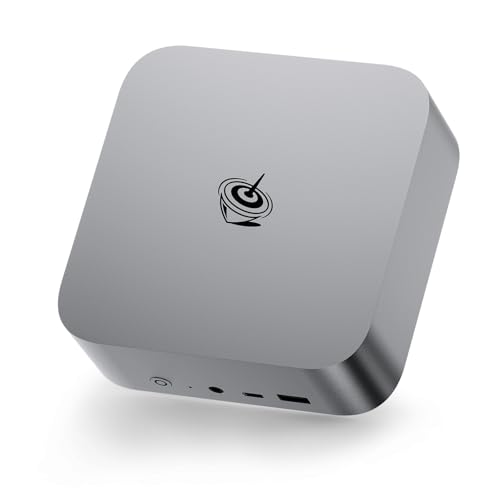
Best 64GB RAM Mini PC Overall
Beelink SER9 MAX Mini PC, Ryzen 7 H255 8C/16T, 64GB DDR5 RAM 1TB SSD
Professional buyers or power users needing genuine 64GB RAM for virtualization or heavy multitasking
Our take Check price for Beelink SER9 MAX Mini PC, Ryzen 7 H255 8C/16T, 64GB DDR5 RAM 1TB SSD (opens in a new tab)
| Pick | Best for | Key spec | Price |
|---|---|---|---|
| Professional buyers or power users needing genuine 64GB RAM for virtualization or heavy multitasking | AMD Ryzen 7 H255, 8C/16T | Check price for Beelink SER9 MAX Mini PC, Ryzen 7 H255 8C/16T, 64GB DDR5 RAM 1TB SSD (opens in a new tab) |
Our Picks
Best 64GB RAM Mini PC Overall1 of 1
Beelink SER9 MAX Mini PC, Ryzen 7 H255 8C/16T, 64GB DDR5 RAM 1TB SSD on Amazon (opens in a new tab)
A genuine 64GB DDR5 RAM configuration paired with an 8-core, 16-thread Ryzen 7 H255 processor, appropriate for buyers running virtualization, multiple VMs, or heavy professional multitasking.
Best for
- Professional buyers or power users needing genuine 64GB RAM for virtualization or heavy multitasking
Why we like it
Genuine 64GB DDR5 RAM for demanding virtualization and multitasking.
On the other side, Verify sustained-load thermal performance for continuous demanding workloads.
Key dimensions & specs
- AMD Ryzen 7 H255, 8C/16T
- 64GB DDR5 RAM
- 1TB SSD
- Premium price point
Pros
- Genuine 64GB DDR5 RAM for demanding virtualization and multitasking
- 8-core, 16-thread processor matches the RAM tier's professional use case
- Fast DDR5 RAM speed for responsive performance
- The only verified 64GB configuration in this research
Cons
- Highest price in this guide by a significant margin
- Overkill for buyers with typical everyday computing needs
- Verify sustained-load thermal performance for continuous demanding workloads
How We Chose These Mini PCs with 64GB RAM
Each pick was assessed across 4 criteria weighted for real-world use.
- Genuine 64GB use case verified honestly
- Verified that 64GB RAM specifically serves virtualization, AI model work, or heavy professional multitasking, rather than assuming general buyers need this much memory.
- Sustained-load thermal performance flagged for demanding continuous workloads
- Flagged that not every mini PC chassis is built to sustain the prolonged heavy workload that typically accompanies genuine 64GB RAM use, recommending thermal report verification.
- Processor pairing checked for matching the RAM tier's professional use case
- Checked that the paired processor matches the professional-tier use case implied by 64GB RAM, rather than an underpowered chip alongside abundant memory.
- Price premium weighed honestly against realistic buyer needs
- Weighed the substantial price premium honestly against realistic buyer needs, being direct that most buyers don't need this RAM tier.
What to Look for in a Mini PC with 64GB RAM
Key buying criteria so you get the right fit the first time.
Match RAM and storage to your actual workload, not just the headline spec
Mini PC listings often lead with a large RAM number like 16GB, 32GB, or 64GB, but the amount you actually need depends heavily on what you're running: basic web browsing and office work is comfortable at 8 to 16GB, while running multiple virtual machines, a Plex transcoding server, or memory-hungry emulation benefits from 32GB or more.
Buying far more RAM than your workload needs is simply wasted money, while buying too little means the system will lean on slower disk-based swap memory under load, causing real stuttering that a spec sheet number won't warn you about.
Check whether the RAM is soldered (fixed at purchase) or user-upgradeable via SO-DIMM slots, since a soldered configuration means you're locked into whatever capacity you buy today with no future upgrade path.
Understand what the CPU generation and core count actually mean for your use case
A mini PC's processor model number (like an Intel N100, N150, or a specific AMD Ryzen model) tells you its generation and general performance tier, but raw core count and clock speed matter less than how well that specific chip handles your actual workload, since a low-power efficiency chip like the N100 is fine for a home server or media player but will bottleneck video editing or modern gaming badly.
This distinction matters because two mini PCs can list similar-sounding specs while being built around completely different design goals, one optimized for low power draw and silence, the other for sustained performance under load.
Look up independent benchmark results for the exact CPU model rather than trusting a generic "powerful" or "fast" marketing description, since chip model numbers are the one spec that translates directly to comparable real-world performance data.
Check whether the mini PC includes dedicated graphics or relies on integrated graphics alone
Most mini PCs rely on integrated graphics built into the CPU itself, which handles everyday desktop use, video playback, and light gaming fine, but a genuine dedicated GPU or officially supported external GPU (EGPU) connection is a meaningfully different tier needed for serious gaming or GPU-accelerated video editing work.
This is a real distinguishing feature worth checking specifically, since "mini PC" as a category spans everything from a fanless office box with no gaming capability at all to a compact system that can be paired with an external GPU enclosure for near-desktop gaming performance.
If your use case involves gaming or GPU-accelerated tasks, check explicitly for a dedicated GPU or a confirmed Oculink/Thunderbolt EGPU connection rather than assuming any mini PC can be upgraded that way.
Confirm the exact port selection matches your real peripherals, not just the port count
A mini PC's small size means its port selection is fixed at purchase with essentially no room for internal expansion the way a desktop tower allows, so the specific mix of USB versions, display outputs, and networking ports listed matters far more here than on a full-size computer.
Check specifically for the number and type of display outputs if you run multiple monitors, since some budget mini PCs only support two displays despite having enough physical ports to suggest otherwise, and check for dual Ethernet ports specifically if you're planning a home server, router, or NAS build that benefits from network redundancy or link aggregation.
Count your actual peripherals and required display outputs against the listed ports before buying, since there's no expansion card slot to add what's missing later on most mini PC designs.
Weigh fanless passive cooling against active cooling for your noise and thermal tolerance
Mini PCs use either active cooling (an internal fan that spins up under load) or fully passive fanless cooling (relying entirely on the metal chassis itself to dissipate heat), and this choice is a genuine tradeoff rather than one being strictly better: fanless designs run completely silent and have no moving parts to fail, but they also throttle performance under sustained heavy load once the passive heatsink reaches its thermal limit, something an actively cooled system with a fan can sustain longer.
This matters concretely for anyone running a 24/7 home server or media server in a bedroom or living room, where fan noise is a real annoyance, versus anyone running sustained CPU-heavy workloads like video transcoding, where a fanless design may throttle noticeably during long jobs.
Check whether cooling is explicitly described as fanless/passive or fan-cooled/active, and match that to whether silence or sustained performance matters more for where this mini PC will actually live.
How to Choose a Mini PC with 64GB RAM
Beelink SER9 MAX Mini PC is currently the only pick in this specific comparison. If it doesn't fit your exact use case, check our broader mini PC roundup rather than assuming this specific pick fits.
| Beelink SER9 MAX Mini PC |
Beelink SER9 MAX Mini PC's main strength: Genuine 64GB DDR5 RAM for demanding virtualization and multitasking.. Its main tradeoff: Highest price in this guide by a significant margin.
Check Beelink SER9 MAX Mini PC's stated compatibility directly against your exact device or setup before ordering, since this is the detail most likely to cause a return.
For Your Specific Use Case
- Explicit compatibility confirmation for your exact device model or workload, not a generic category claim.
- Beelink SER9 MAX Mini PC fits this specifically: Genuine 64GB DDR5 RAM for demanding virtualization and multitasking.
- 00: Genuine 64GB DDR5 RAM for demanding virtualization and multitasking. If that's what you're after, the tradeoffs in its cons list probably won't bother you either.
- Here's the real tradeoff: Highest price in this guide by a significant margin. If that matters to you, compare it against other picks in our broader roundup before committing.
Frequently Asked Questions
Do I really need 64GB RAM in a mini PC?
Most buyers don't, this tier specifically serves virtualization, AI model work, or heavy professional multitasking, verify your actual needs first.
Does a 64GB RAM mini PC overheat under heavy load?
It can if the cooling design isn't built for sustained demanding workloads, check reviews specifically for thermal performance under continuous heavy use.
Is a 64GB RAM mini PC worth the price for general use?
Generally not, general productivity and everyday tasks don't benefit meaningfully from this much memory, consider 16GB or 32GB instead.
What professional workloads actually use 64GB RAM effectively?
Running multiple VMs, large local AI models, or several demanding professional applications simultaneously benefit from this much memory.
Bottom Line
Best overall: Beelink SER9 MAX Mini PC, Ryzen 7 H255 8C/16T, 64GB DDR5 RAM 1TB SSD — best 64gb ram mini pc overall pick in this roundup. See the full verdicts above for every pick, with pros, cons and who each one suits.
Browse all mini pcs with 64gb ram on Amazon — Prime-eligible options with current pricing.