
Buying Guide
The Best Lightweight Portable Power Stations for a Better Desk Setup
We looked at 7 lightweight portable power stations side by side, with the trade-offs that separate them and who each one suits.
By Jamie Cole, Lead Product Researcher
10 min read7 products evaluated
We may earn a commission from purchases made through links in this guide. Learn more.
Best Lightweight Portable Power Stations deserves capacity-specific scrutiny before ranking, since this category comes down to measuring usable Wh per pound while preserving the ports you actually need.
Each pick here was judged on measured usable energy and safety documentation plus measuring usable Wh per pound while preserving the ports you actually need, not just its price tag.
Quick Picks
Our 7 recommendations at a glance. Tap a pick for the full verdict.
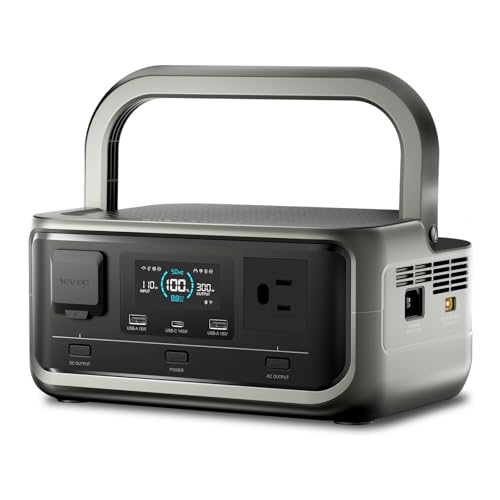
Best Overall
ALLPOWERS VOLIX P300 Portable Power Station, 256Wh 300W
buyers prioritizing 256wh, 300w (600w surge), 7.87 lbs
Our take Check price for ALLPOWERS VOLIX P300 Portable Power Station, 256Wh 300W (opens in a new tab)
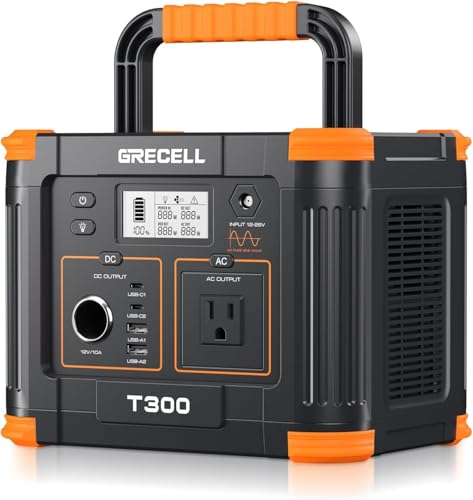
Runner-Up
GRECELL Portable Power Station 330W, 230.88Wh
buyers prioritizing 230.88wh, 330w (600w surge)
Our take Check price for GRECELL Portable Power Station 330W, 230.88Wh (opens in a new tab)

Also Great
Daran Portable Power Station 89.6Wh, 100W (200W Peak)
buyers prioritizing 89.6wh, 100w (200w peak), 2.54 lbs
Our take Check price for Daran Portable Power Station 89.6Wh, 100W (200W Peak) (opens in a new tab)

Strong Alternative
ZeroKor Portable Power Station 300W, 280Wh (without Solar Panel)
Buyers prioritizing 280wh, 300w max, ~5 lbs
Our take Check price for ZeroKor Portable Power Station 300W, 280Wh (without Solar Panel) (opens in a new tab)

Worth Considering
ZeroKor 300W Portable Power Station with 60W Solar Panel Included
buyers prioritizing includes 60w solar panel, 20.5% efficiency
Our take Check price for ZeroKor 300W Portable Power Station with 60W Solar Panel Included (opens in a new tab)
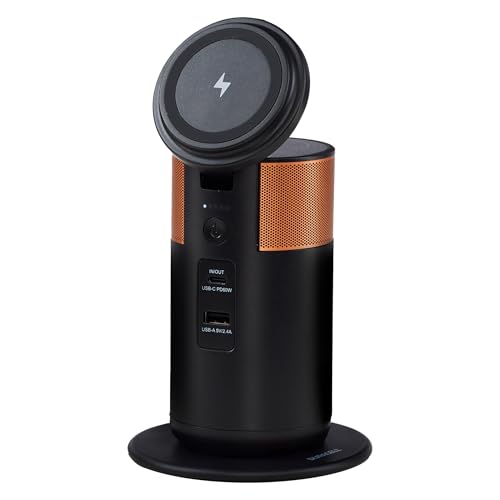
Solid Option
Duracell M100 Portable Charging Hub, 92W Charger
5 lbs, faa carry-on compliant
Our take Check price for Duracell M100 Portable Charging Hub, 92W Charger (opens in a new tab)

Budget Pick
Powkey R180 Portable Power Station, 200W, 192Wh
buyers prioritizing 192wh, 200w, 4.7 lbs
Our take Check price for Powkey R180 Portable Power Station, 200W, 192Wh (opens in a new tab)
Our Picks
Best Overall1 of 7
ALLPOWERS VOLIX P300 Portable Power Station, 256Wh 300W on Amazon (opens in a new tab)
300W pure sine wave AC output (600W surge) from a 256Wh LiFePO4 battery covers laptops, CPAP machines, mini refrigerators, and drones without noise, fumes, or fuel.
Best for
- buyers prioritizing 256wh, 300w (600w surge), 7.87 lbs
Why we like it
A genuine 2-hour 0-100% AC fast charge pairs with up to 110W MPPT solar charging and car charging support for flexible recharging on the road.
Five devices connect at once across a pure sine wave AC outlet, 100W USB-C PD, dual USB-A fast charging, and a 12V car socket. 87 lb frame backed by a genuine 6-year warranty.
Key dimensions & specs
- 256Wh, 300W (600W surge), 7.87 lbs
- 2hr 0-100% AC fast charge
- 6-year warranty, 4000+ cycles
Pros
- 6-year warranty is long for this compact capacity class
- 2-hour full charge is fast for a 300W-class station
- Under-20ms UPS specifically protects NAS systems, not just basics
Cons
- 300W output limits higher-draw appliance use
- 110W solar input is modest next to higher-wattage rivals
Runner-Up2 of 7
GRECELL Portable Power Station 330W, 230.88Wh on Amazon (opens in a new tab)
88Wh capacity supports laptops, tablets, CPAP devices, and mini-refrigerators safely.
Best for
- buyers prioritizing 230.88wh, 330w (600w surge)
Why we like it
GRECELL specifically states its commitment to quality lithium batteries over lower-quality alternatives that pose real safety risk, backed by an upgraded BMS with overload, overcharge, and short-circuit protection.
Six devices connect at once via AC outlet, dual USB-C PD (60W and 18W), dual USB-A QC, and a car port, with PD60W fast charging documented more than twice as fast as standard USB-C output. Dual built-in silent cooling fans keep station temperature safe, and built-in MPPT maximizes solar energy extraction across three flexible recharge sources.
Key dimensions & specs
- 230.88Wh, 330W (600W surge)
- PD60W, 2x faster than standard USB-C
- Dual silent cooling fans
Pros
- PD60W fast charging is documented over twice as fast as standard
- Dual cooling fans keep station temperature stable
- GRECELL explicitly commits to quality cells over risky alternatives
Cons
- 330W output is modest for higher-draw appliances
- 230.88Wh capacity limits sustained runtime
Also Great3 of 7
Daran Portable Power Station 89.6Wh, 100W (200W Peak) on Amazon (opens in a new tab)
54 lbs, this is pocketable with an ergonomic soft handle.
Best for
- buyers prioritizing 89.6wh, 100w (200w peak), 2.54 lbs
Why we like it
6Wh LiFePO4 (not NCM) battery include 2 AC sockets (100W), dual USB-C (45W/15W), dual USB-A (18W/15W), and DC5521 ports, with a clear LED display showing status.
5 hours, with AC and DC charging simultaneously supported. Fanless, silent operation with an accidental-touch-proof long-press activation design suits sleeping, working, or camping, backed by a documented 3500+ cycle LiFePO4 battery with 12 layers of BMS safety protection.
Key dimensions & specs
- 89.6Wh, 100W (200W peak), 2.54 lbs
- Smartphone-sized, 6.5x3.3x4in
- 1.5hr 0-80% charge
Pros
- smartphone-sized at just 6.5x3.3x4 inches
- Fanless, silent operation with an accidental-touch-proof design
- 1.5-hour 0-80% charge is fast for this pocket-sized capacity
Cons
- 100W output limits use to only within-100W devices
- Solar panel and cable both sold separately
Strong Alternative4 of 7
ZeroKor Portable Power Station 300W, 280Wh (without Solar Panel) on Amazon (opens in a new tab)
This 280Wh station delivers 300W max output (AC outlet) through multiple charging ports: dual AC outlets, a DC port, three 5V/3A USB ports, and a QC USB port, with an LED flashlight offering reading and SOS modes.
Best for
- Buyers prioritizing 280wh, 300w max, ~5 lbs
Why we like it
At about 5 lbs with a handle, it's easy to fit in a car for indoor or outdoor use.
Three charging methods (home AC outlet, DC5521 13V-23V solar panels sold separately, or 12V car charging cable) work with a built-in MPPT controller, and the listing specifically warns that devices over 300W, especially heat-prone appliances, can damage the unit. Built-in BMS covers short-circuit, over-current, over-voltage, and overload protection, with a 12-month customer support commitment and a specific recommendation to recharge at least every half-month if idle.
Key dimensions & specs
- 280Wh, 300W max, ~5 lbs
- MPPT-enabled, 3 recharge paths
- 12-month customer support
Pros
- Built-in MPPT controller optimizes solar charging when a panel is added
- About 5 lbs makes this easy to fit in a car trunk
- SOS-mode flashlight adds real emergency utility
Cons
- No solar panel included, must be purchased separately
- 300W max output limits use to devices within that rating
Worth Considering5 of 7
ZeroKor 300W Portable Power Station with 60W Solar Panel Included on Amazon (opens in a new tab)
5% conversion efficiency, better than polycrystalline panels in low light.
Best for
- buyers prioritizing includes 60w solar panel, 20.5% efficiency
Why we like it
Two 300W AC outlets plus a DC port, three USB ports, and a quick-charge USB port cover most camping devices, with a built-in flashlight offering reading and SOS modes.
The listing is direct that devices over 300W, especially heat-producing ones like coffee makers or hair dryers, can damage the unit. Built-in BMS covers short-circuit, over-current, over-voltage, and overload protection, with an automatic cooling fan. The listing specifically recommends keeping the battery between 60-80% rather than running it down fully.
Key dimensions & specs
- Includes 60W solar panel, 20.5% efficiency
- 2x 300W AC outlets
- Built-in BMS + auto cooling fan
Pros
- Includes a genuine 60W solar panel, not sold separately
- 20.5% panel efficiency beats typical polycrystalline panels
- Built-in SOS flashlight adds real emergency utility
Cons
- Devices over 300W risk damaging the unit per the listing
- Manufacturer specifically warns against full battery depletion
Solid Option6 of 7
Duracell M100 Portable Charging Hub, 92W Charger on Amazon (opens in a new tab)
5 pounds, this fits into a backpack side pocket, more portable than the larger M250 hub, while still providing almost a full laptop charge, 3 phone charges, or about 20 earbud charges.
Best for
- 5 lbs, faa carry-on compliant
Why we like it
The tiltable lid holds a phone for hands-free video calls, with a second wireless charging platform underneath specifically for earbuds.
The listing confirms FAA compliance for carry-on bags, making this a genuine travel-ready option for reliable in-flight charging. Recharging takes about 3 hours whether using the charging dock or plugging directly into a wall outlet via USB-C cord, and a 5-light indicator tracks charging progress at a glance.
Key dimensions & specs
- 92W, 1.5 lbs, FAA carry-on compliant
- Dual wireless charging (phone + earbuds)
- 3hr recharge via dock or USB-C
Pros
- FAA compliance confirms this is carry-on travel-ready
- Dual wireless charging spots handle a phone and earbuds separately
- 1.5 lbs fits a backpack side pocket
Cons
- 92W capacity is modest, suited to devices not appliances
- No AC outlet included, USB-C and USB-An only
Budget Pick7 of 7
Powkey R180 Portable Power Station, 200W, 192Wh on Amazon (opens in a new tab)
5 inches, this compact 192Wh (60,000mAh) station handles laptops, switches, smartphones, tablets, mini refrigerators, cameras, and CPAP devices.
Best for
- buyers prioritizing 192wh, 200w, 4.7 lbs
Why we like it
Three recharge paths (solar not included, wall outlet, or car 12V socket with cable included) give real flexibility for different scenarios.
A dual-white-light LED flashlight offers three brightness levels and three lighting modes (steady, strobe, SOS), useful as both general lighting and a camping lantern. Six device ports span an AC outlet, dual USB, a USB-C port, and dual DC outputs, and an advanced BMS with voltage and temperature control protects against short circuits, overcharging, and overload with a documented over-3000-cycle LiFePO4 battery.
Key dimensions & specs
- 192Wh, 200W, 4.7 lbs
- Dual-mode LED flashlight (3 brightness + SOS)
- 3000+ cycle LiFePO4 battery
Pros
- 4.7 lbs and compact dimensions make this pocket-portable
- Dual-mode flashlight adds real dual-purpose lighting utility
- Car charging cable ships included, ready to use immediately
Cons
- Solar panel for the third charging path is sold separately
- 200W output limits use to light devices only
How We Chose These Lightweight Portable Power Stations
Each pick was assessed across 5 criteria weighted for real-world use.
- Rated Wh Verified Against Usable Energy
- Checked documented battery capacity separately from continuous AC output, since a high wattage rating doesn't guarantee enough stored energy to run a device for long.
- Continuous Output vs Surge Separated
- Compared continuous inverter rating against surge or boost mode claims, since many listings blend the two into one headline number.
- Charging Speed and Path Documented
- Verified AC, solar, and car charging times from official specs, noting where fastest speeds require specific modes, apps, or additional hardware.
- Safety and Certification Evidence Checked
- Looked for UL, UL2743, or other documented safety certification and battery chemistry evidence rather than trusting a safety claim alone.
- Weighed included cables, solar panel bundling, warranty length, and app requirements as part of the real cost and usability of each pick.
What to Look for in a Lightweight Portable Power Station
Key buying criteria so you get the right fit the first time.
Set an explicit weight and packed-volume threshold for lightweight portable power stations rather than judging portability from photos alone.
Publish Measured Wh Per Pound
Compare measured usable Wh per pound across finalists to judge real energy density.
Verify Output Still Meets Target Load
Confirm AC, USB-C, and DC outputs still meet your target load despite the compact size.
Compare Ergonomics and Charger Weight
Compare handle and packing ergonomics, plus the weight of any required charger or adapter.
Check low-load efficiency and fan noise, since small inverters can waste a larger share of stored energy.
How to Choose a Lightweight Portable Power Station
Set an explicit weight and packed-volume threshold for lightweight portable power stations rather than judging portability from photos alone.
Publish Measured Wh Per Pound
Compare measured usable Wh per pound across finalists to judge real energy density.
Verify Output Still Meets Target Load
Confirm AC, USB-C, and DC outputs still meet your target load despite the compact size.
Compare Ergonomics and Charger Weight
Compare handle and packing ergonomics, plus the weight of any required charger or adapter.
Check low-load efficiency and fan noise, since small inverters can waste a larger share of stored energy.
Frequently Asked Questions
Do smaller, lighter lightweight portable power stations sacrifice charging speed?
Not necessarily, but check documented charging specs directly, since compact stations sometimes use smaller inverters that trade some speed or output ceiling for the reduced size and weight.
Is a lightweight station worth it if I mostly use it at a fixed location?
If portability isn't a priority, a larger fixed-use station often provides more capacity and output for a similar price than a lightweight model optimized for portability.
What's the real difference between watts and watt-hours for a power station?
Watts (W) measure how much power the station can deliver at once, essentially how many devices it can run simultaneously, while watt-hours (Wh) measure total stored energy, essentially how long it can run those devices. A station with high W but low Wh can power a lot at once but only briefly.
Does a surge or peak wattage rating mean the station can run appliances at that power level?
Surge or peak ratings describe a brief burst the inverter can handle, typically for a compressor or motor startup, not a sustained output level. Always check the continuous or rated wattage figure for what the station can actually run for extended periods.
Is LiFePO4 battery chemistry actually safer than standard lithium-ion?
LiFePO4 (LFP) cells are generally considered more thermally stable than standard lithium-ion or lithium-polymer cells, with a lower risk of thermal runaway, and most current portable power stations have shifted to LFP for this reason. Still, verify UL or UL2743 safety certification directly rather than assuming chemistry alone guarantees safety.
Bottom Line
Best overall: ALLPOWERS VOLIX P300 Portable Power Station, 256Wh 300W — best overall pick in this roundup. See the full verdicts above for every pick, with pros, cons and who each one suits.
Browse all lightweight portable power stations on Amazon — Prime-eligible options with current pricing.