
Buying Guide
The Best 700Wh Portable Power Stations for a Better Desk Setup
We looked at 7 700Wh portable power stations side by side, with the trade-offs that separate them and who each one suits.
By Jamie Cole, Lead Product Researcher
10 min read7 products evaluated
We may earn a commission from purchases made through links in this guide. Learn more.
Choosing among 700wh portable power stations means starting with requiring rated battery capacity within a narrow tolerance of the target Wh figure rather than star rating alone.
Every entry on this list was screened for measured usable energy and safety documentation plus requiring rated battery capacity within a narrow tolerance of the target Wh figure before anything else was weighed.
Quick Picks
Our 7 recommendations at a glance. Tap a pick for the full verdict.

Best Overall
Goal Zero Yeti 700 Portable Power Station, 677Wh
Buyers prioritizing 677wh, 600w (1000w surge)
Our take Check price for Goal Zero Yeti 700 Portable Power Station, 677Wh (opens in a new tab)
Runner-Up
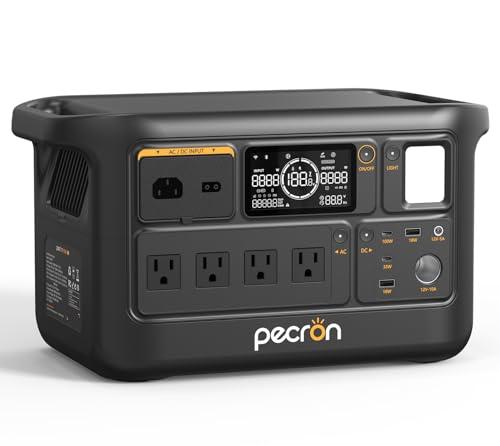
PECRON F1000LFP Power Station, 1500W AC Output, 960Wh
buyers prioritizing 960wh, 1500w ac, 23.9 lbs
Our take Check price for PECRON F1000LFP Power Station, 1500W AC Output, 960Wh (opens in a new tab)

Also Great
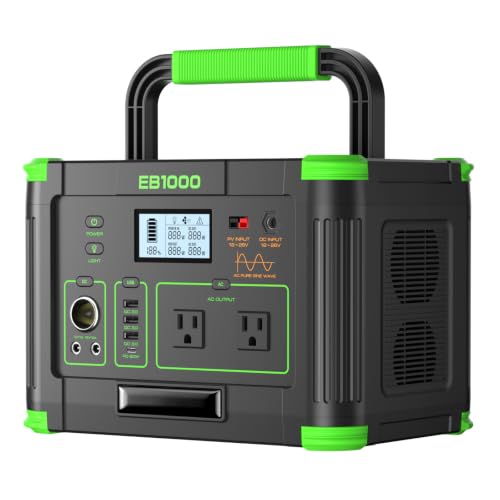
GRECELL 999Wh Portable Power Station 1000W for Outdoor & Home
Buyers prioritizing 999wh, 1000w (2000w peak), 17 lbs
Our take Check price for GRECELL 999Wh Portable Power Station 1000W for Outdoor & Home (opens in a new tab)
Strong Alternative
GRECELL 999Wh Solar Generator 1000W Portable Power Station
Buyers prioritizing 999wh, 1000w (2000w surge)
Our take Check price for GRECELL 999Wh Solar Generator 1000W Portable Power Station (opens in a new tab)

Worth Considering
VTOMAN FlashSpeed 1500 Solar Generator, 1548Wh LiFePO4, 3000W Peak
Buyers prioritizing 1548wh (expandable to 3096wh), 3000w peak
Our take Check price for VTOMAN FlashSpeed 1500 Solar Generator, 1548Wh LiFePO4, 3000W Peak (opens in a new tab)

Solid Option
VTOMAN Jump1800 Portable Power Station with Jump Start, 1548Wh
Buyers prioritizing 1548wh (expandable to 3096wh), 1800w constant
Our take Check price for VTOMAN Jump1800 Portable Power Station with Jump Start, 1548Wh (opens in a new tab)

Budget Pick
LIBRIDS Portable Power Station 640Wh, 1200W Surge, 4 AC
Buyers prioritizing 640wh, 600w (1200w surge)
Our take Check price for LIBRIDS Portable Power Station 640Wh, 1200W Surge, 4 AC (opens in a new tab)
Our Picks
Best Overall1 of 7
Goal Zero Yeti 700 Portable Power Station, 677Wh on Amazon (opens in a new tab)
Documented enough to run power tools, portable fridges, and pellet grills, this delivers 600W AC power with 1000W surge capability from a 677Wh capacity.
Best for
- Buyers prioritizing 677wh, 600w (1000w surge)
Why we like it
Upgraded LiFePO4 battery technology backs 4000+ rated cycles for over 10 years of daily use.
High-speed charging mode gets a forgotten-to-charge Yeti ready in about 2 hours, convenient before a last-minute trip. This compact station passes both particulate testing and UL2743 requirements with an IPX4 water-resistance rating handling extreme temperatures, and a dedicated solar charging port turns it into a genuine off-grid renewable energy source.
Key dimensions & specs
- 677Wh, 600W (1000W surge)
- UL2743 certified, IPX4 rated
- 4000+ cycles, 10+ year lifespan
Pros
- UL2743 certification is a real, independently verified safety standard
- High-speed mode gets a dead unit ready in about 2 hours
- IPX4 rating handles extreme temperatures for genuine outdoor use
Cons
- 600W output is modest for higher-demand appliances
- Premium Goal Zero pricing over comparable-capacity rivals
Runner-Up2 of 7
PECRON F1000LFP Power Station, 1500W AC Output, 960Wh on Amazon (opens in a new tab)
1500W pure sine wave AC output effortlessly powers refrigerators, power tools, and medical equipment from a 960Wh capacity documented to run a small refrigerator for a full day.
Best for
- buyers prioritizing 960wh, 1500w ac, 23.9 lbs
Why we like it
Ten output ports include four 1500W AC outlets, dual USB-C (33W and 100W), a DC 5525 port, a cigar port, and dual USB-A, plus a 5W LED light for camping nights.
4 hours, and the included AC charger achieves 1000W charging for a full charge in just 70 minutes. App control sets the unit to operate at a quiet 25dB, ideal for indoor office or bedroom use, and under-20ms UPS keeps computers, WiFi, and fish tanks running through blackouts. 4 inch frame, it's portable for RV or trunk storage.
Key dimensions & specs
- 960Wh, 1500W AC, 23.9 lbs
- 70-min full AC charge
- 25dB app-controlled quiet mode
Pros
- 25dB app-controlled quiet mode is bedroom-suitable
- 70-minute full AC charge is fast for this capacity
- 23.9 lbs with comfortable handles is RV-portable
Cons
- Solar and power station ship separately per the listing
- Car charger for continuous charging is sold separately
Also Great3 of 7
GRECELL 999Wh Portable Power Station 1000W for Outdoor & Home on Amazon (opens in a new tab)
1000W continuous power (2000W peak) through pure sine wave AC outlets safely powers laptops, CPAP devices, mini-fridges, and rice cookers.
Best for
- Buyers prioritizing 999wh, 1000w (2000w peak), 17 lbs
Why we like it
Ten devices connect simultaneously across dual AC outlets, USB-C PD 60W, three USB-A QC ports, a wireless pad, a car port, and dual DC outputs, with individual switches controlling each module independently.
Triple MPPT charging technology accepts AC wall power, 800W MPPT solar panels, or a 12V car port, with pass-through charging enabling simultaneous charge and discharge. The automotive-grade battery is rated for over 2000 charge cycles, and at 17 pounds with an ergonomic handle, it's built for one-handed transport with a 24-month warranty backing it.
Key dimensions & specs
- 999Wh, 1000W (2000W peak), 17 lbs
- 800W MPPT solar input
- 24-month warranty, 2000+ cycles
Pros
- 800W MPPT solar input is high for this capacity class
- Individual port switches let you manage power module by module
- 17 lbs with ergonomic handle is one-hand portable
Cons
- 2000 rated cycles trails the 3000-4000+ common on rival LFP cells
- 10-12 hour AC recharge time is slower than fast-charge competitors
Strong Alternative4 of 7
GRECELL 999Wh Solar Generator 1000W Portable Power Station on Amazon (opens in a new tab)
1000W pure sine wave output (2000W surge) supports up to ten simultaneous devices across AC, USB QC, USB-C PD, DC, and wireless charging ports.
Best for
- Buyers prioritizing 999wh, 1000w (2000w surge)
Why we like it
The battery management system stops charging automatically when full and applies the same overcurrent protection to solar input, guarding against fried circuits on both ends.
Built-in MPPT specifically extracts maximum power from variable solar input, and dual silent cooling fans keep the unit from overheating during extended use. Three recharge paths (AC, solar, car) give genuine flexibility, and GRECELL includes a cable storage bag alongside all three charging cable types in the box.
Key dimensions & specs
- 999Wh, 1000W (2000W surge)
- Built-in MPPT solar controller
- 10 simultaneous devices, dual cooling fans
Pros
- Built-in MPPT maximizes variable solar input
- BMS protects both charging and solar input circuits equally
- Dual cooling fans keep the unit stable under extended use
Cons
- Devices over 1000W rated power are explicitly unsupported
- Must remember to turn off AC output when not in use
Worth Considering5 of 7
VTOMAN FlashSpeed 1500 Solar Generator, 1548Wh LiFePO4, 3000W Peak on Amazon (opens in a new tab)
A large 1500W AC input port delivers a full 0-100% recharge within 1 hour, and combining 400W solar plus 200W DC input drops that to just 45 minutes.
Best for
- Buyers prioritizing 1548wh (expandable to 3096wh), 3000w peak
Why we like it
SuperSafe LIFEBMS protection covers up to 10 kinds of safety monitoring, from over-charge to short-circuit protection, backed by a 3000+ cycle LiFePO4 battery.
V-Beyond Technology boosts the AC inverter's capability, letting the station output a constant 1500W even when powering appliances rated above that, rather than shutting off, useful for water heaters or ovens in a pinch. Twelve output ports support pass-through charging throughout, and the capacity expands to 3096Wh with an optional extra battery, with a flat-top stackable design keeping cables organized in a built-in storage box.
Key dimensions & specs
- 1548Wh (expandable to 3096Wh), 3000W peak
- 45-min fastest full charge
- 1500W constant-power even over-rated loads
Pros
- Constant 1500W output continues even for appliances rated above that
- 45-minute fastest charge combines solar, DC, and AC simultaneously
- Stackable flat-top design with built-in cable storage box
Cons
- Solar input only works with VTOMAN's specific compatible panels
- 45-minute charge requires three input types combined at once
Solid Option6 of 7
VTOMAN Jump1800 Portable Power Station with Jump Start, 1548Wh on Amazon (opens in a new tab)
Twelve output ports charge up to 12 devices simultaneously including 3 AC outlets, dual DC5521, a car port, four USB-A, and dual 100W USB-C, comprehensive for this capacity.
Best for
- Buyers prioritizing 1548wh (expandable to 3096wh), 1800w constant
Why we like it
All three DC output ports run at regulated 12V voltage, specifically suited for car refrigerators, CPAP machines, and tire inflators that need stable DC power.
SuperSafe LIFEBMS battery management provides up to 10 charging protections, and the 1548Wh LiFePO4 battery expands to 3096Wh with an optional extra battery.
Key dimensions & specs
- 1548Wh (expandable to 3096Wh), 1800W constant
- All 3 DC ports run at regulated 12V
- SuperSafe LIFEBMS, 10 protections
Pros
- Regulated 12V across all DC ports directly suits CPAP and car fridges
- 1800W constant output continues for over-rated appliance loads
- 12 total devices connect simultaneously with pass-through support
Cons
- Solar charging only works with VTOMAN-specific compatible panels
- Wall charger recharge time of 5-8 hours trails faster rivals
Budget Pick7 of 7
LIBRIDS Portable Power Station 640Wh, 1200W Surge, 4 AC on Amazon (opens in a new tab)
Built-in 10ms UPS automatically switches to battery power during outages, keeping WiFi routers and CPAP machines running without interruption from a 640Wh capacity.
Best for
- Buyers prioritizing 640wh, 600w (1200w surge)
Why we like it
Industry-leading PowerRaise technology handles 1200W surge appliance startup loads that a standard 600W rating might otherwise trip.
5-hour full AC charge keeps the unit ready for emergencies, and eight output ports across 4 AC outlets plus USB power up to 8 devices at once. The automotive-grade LiFePO4 battery rates for 4000+ cycles in a durable metal enclosure with better heat dissipation, and pure sine wave delivery protects laptops and medical devices, with a genuine 5-year warranty backing it. Note the unit is UL-labeled for indoor or dry outdoor use only, not rain or wet conditions.
Key dimensions & specs
- 640Wh, 600W (1200W surge)
- 1.5hr full AC charge
- 5-year warranty, UL indoor-use label
Pros
- 1.5-hour full charge is fast for this capacity
- Metal enclosure improves heat dissipation over plastic bodies
- 5-year warranty is long for this price tier
Cons
- UL label specifically restricts use to indoor or dry conditions only
- 600W continuous output is modest for larger appliances
How We Chose These 700Wh Portable Power Stations
Each pick was assessed across 5 criteria weighted for real-world use.
- Rated Wh Verified Against Usable Energy
- Checked documented battery capacity separately from continuous AC output, since a high wattage rating doesn't guarantee enough stored energy to run a device for long.
- Continuous Output vs Surge Separated
- Compared continuous inverter rating against surge or boost mode claims, since many listings blend the two into one headline number.
- Charging Speed and Path Documented
- Verified AC, solar, and car charging times from official specs, noting where fastest speeds require specific modes, apps, or additional hardware.
- Safety and Certification Evidence Checked
- Looked for UL, UL2743, or other documented safety certification and battery chemistry evidence rather than trusting a safety claim alone.
- Weighed included cables, solar panel bundling, warranty length, and app requirements as part of the real cost and usability of each pick.
What to Look for in a 700Wh Portable Power Station
Key buying criteria so you get the right fit the first time.
Require a Narrow Capacity Tolerance
Confirm 700wh portable power stations sits within a narrow tolerance of the target Wh figure, and publish that tolerance.
Measure Usable Energy, Not Rated Capacity
Check measured or documented usable AC and DC energy from full to automatic cutoff, not the rated capacity alone.
Pair Capacity With Continuous Output
Confirm continuous inverter output is sufficient for the devices you actually plan to power at this capacity.
Compare weight, volume, and Wh-per-pound efficiency across finalists at the same target capacity.
Check Recharge Time and Expansion
Publish AC and solar recharge time, cycle-life conditions, and expansion-battery compatibility for this capacity class.
How to Choose a 700Wh Portable Power Station
Require a Narrow Capacity Tolerance
Confirm 700wh portable power stations sits within a narrow tolerance of the target Wh figure, and publish that tolerance.
Measure Usable Energy, Not Rated Capacity
Check measured or documented usable AC and DC energy from full to automatic cutoff, not the rated capacity alone.
Pair Capacity With Continuous Output
Confirm continuous inverter output is sufficient for the devices you actually plan to power at this capacity.
Compare weight, volume, and Wh-per-pound efficiency across finalists at the same target capacity.
Check Recharge Time and Expansion
Publish AC and solar recharge time, cycle-life conditions, and expansion-battery compatibility for this capacity class.
Frequently Asked Questions
Is rated Wh the same as usable energy for a 700wh portable power stations station?
Rated Wh is the nominal battery capacity, but real usable energy is typically slightly lower after AC conversion losses, so measured usable energy is a more reliable figure than the rated number alone.
Should I round up to the next capacity class if a model is close?
Only if the difference is small and documented; otherwise a model in a neighboring capacity class may have different weight, output, and price characteristics than what you actually want.
What's the real difference between watts and watt-hours for a power station?
Watts (W) measure how much power the station can deliver at once, essentially how many devices it can run simultaneously, while watt-hours (Wh) measure total stored energy, essentially how long it can run those devices. A station with high W but low Wh can power a lot at once but only briefly.
Does a surge or peak wattage rating mean the station can run appliances at that power level?
Surge or peak ratings describe a brief burst the inverter can handle, typically for a compressor or motor startup, not a sustained output level. Always check the continuous or rated wattage figure for what the station can actually run for extended periods.
Is LiFePO4 battery chemistry actually safer than standard lithium-ion?
LiFePO4 (LFP) cells are generally considered more thermally stable than standard lithium-ion or lithium-polymer cells, with a lower risk of thermal runaway, and most current portable power stations have shifted to LFP for this reason. Still, verify UL or UL2743 safety certification directly rather than assuming chemistry alone guarantees safety.
Bottom Line
Best overall: Goal Zero Yeti 700 Portable Power Station, 677Wh — best overall pick in this roundup. See the full verdicts above for every pick, with pros, cons and who each one suits.
Browse all 700wh portable power stations on Amazon — Prime-eligible options with current pricing.